


Introduction
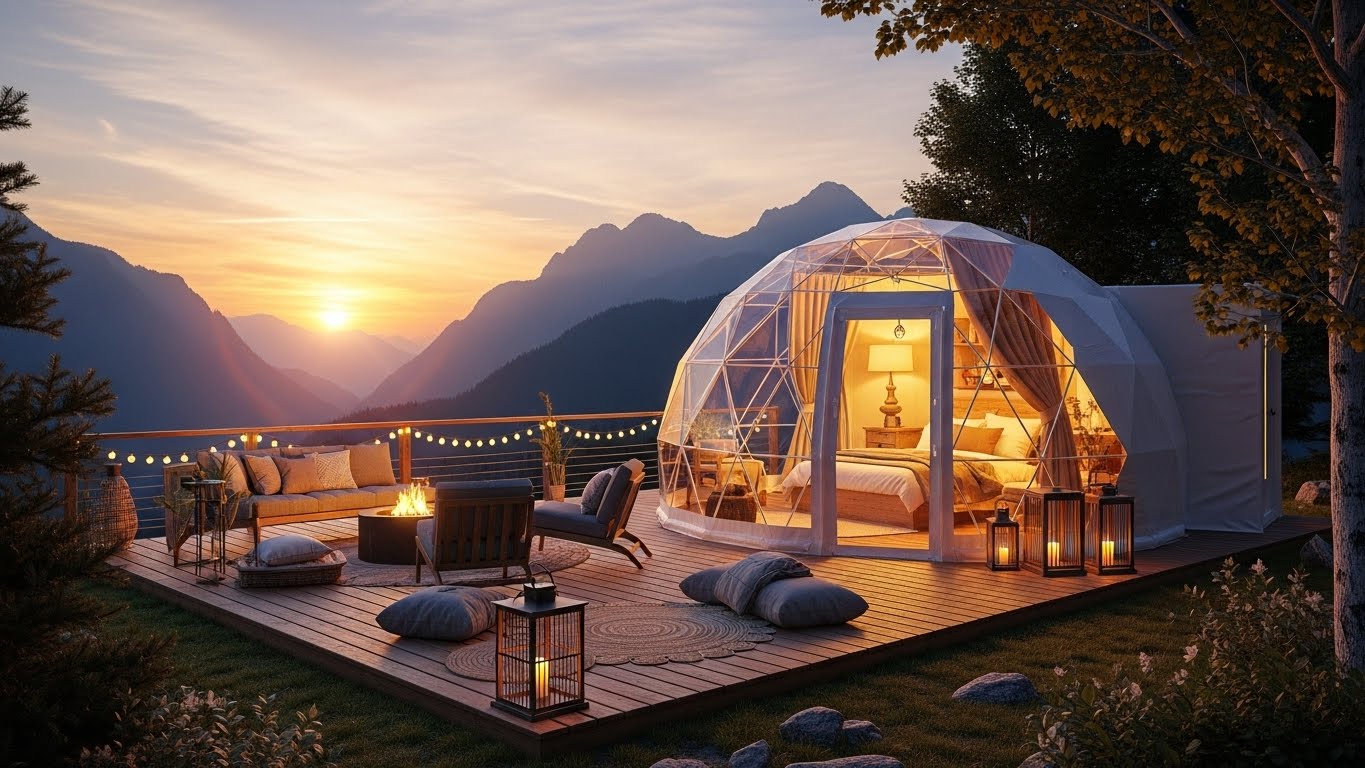
Travel trends change every few years, but some trends don’t just change the industry — they reshape it. One of the fastest-growing trends today is the glamping economy, a new wave of tourism that blends nature with modern comfort. Glamping, short for “glamorous camping,” is attracting travelers who want outdoor experiences without sacrificing luxury. From treehouses and domes to safari tents and lakeside cabins, glamping has transformed into a billion-dollar sector.
In this article, we’ll explore how glamping evolved, why travelers prefer it, how businesses profit from it, and what the future looks like. Whether you’re a traveler, investor, or entrepreneur, this deep dive into the glamping economy will help you understand why it has become one of the hottest niches in global tourism.
Understanding the Glamping Economy
The glamping economy refers to the entire financial ecosystem created around luxury outdoor stays. It includes accommodations, accessories, eco-friendly experiences, digital platforms, travel services, and even local communities.
What Makes Glamping Different?
Glamping stands apart from traditional camping because it offers:
- Real beds and premium bedding
- Heating, cooling, and electricity
- Private bathrooms or luxurious shared facilities
- Instagrammable architecture like domes, yurts, A-frames
- Spa-like amenities and curated experiences
Travelers love glamping because it feels adventurous yet comfortable — the perfect balance.
Why Glamping Has Become a Global Trend
Several factors boosted this trend, especially after the pandemic.
1. Travelers Want Nature With Comfort
People want to escape crowds but still enjoy the comforts of home. Glamping offers both.
2. Social Media Influence
Aesthetic locations like treehouses and domes go viral on Instagram and TikTok — creating massive demand.
3. Remote Work Culture
Digital nomads prefer unique, peaceful locations where they can work while staying close to nature.
4. Eco-Tourism Popularity
Glamping businesses often use:
- Solar power
- Recycled materials
- Minimal-impact architecture
This attracts eco-conscious travelers.
5. Affordable Luxury
Luxury hotels are expensive. Glamping offers a cheaper but still premium experience.
Types of Glamping Structures (Deep Breakdown)
The glamping industry has evolved beyond tents. Here are the most popular types:
Luxury Tents
Safari-style tents with:
- Wooden flooring
- King-sized beds
- Private decks
- Outdoor baths
Geodesic Domes
These futuristic structures are ideal for cold regions because they:
- Hold heat efficiently
- Offer panoramic windows
- Look visually stunning
Yurts
Circular, Mongolian-inspired structures used for luxury stays with:
- Skylight roofs
- Cozy insulation
- Spa-like interiors
Cabins & Tiny Homes
Winter-friendly and perfect for mountains or forests.
Treehouses
Loved by adventure seekers and couples.
A-Frame Houses
A modern favorite for glamping startups because:
- They are affordable to build
- They attract high-paying guests
- They photograph beautifully
Each of these structures contributes to the growing glamping economy through construction, furnishings, and recurring bookings.
How Glamping Boosts Local Economies
Glamping does more than attract tourists. It revitalizes rural communities.
Income Sources for Local Areas
- Local workers hired for maintenance
- Farmers supplying organic food
- Local guides offering nature tours
- Craftsmen providing décor and furniture
The money stays within the community, improving overall development.
Revenue Streams in the Glamping Economy
Glamping businesses don’t rely only on accommodation fees. They create multiple income streams.
1. Nightly Stays
Most glamping sites charge:
- $80–$150 for basic setups
- $200–$500 for luxury models
- $800+ for ultra-premium treehouses
2. Add-On Experiences
These include:
- BBQ nights
- Zip-lining
- Horse riding
- Stargazing experiences
- Private hot tubs
3. Event Hosting
Weddings, corporate retreats, influencer meetups, yoga camps — all add huge revenue.
4. Seasonal Pricing
Peak seasons multiply earnings, especially in colder regions or near beaches.
5. Partnerships With Travel Platforms
Sites earn extra through:
- Booking.com
- Airbnb
- GlampingHub
- TripAdvisor
Glamping businesses succeed because they mix hospitality with creativity.
Cost of Starting a Glamping Business
If someone wants to step into the glamping economy, here’s what it usually costs:
Land Cost
Depends on location — rural areas are cheaper and often more scenic.
Structure Cost
Average pricing:
- Luxury tent: $4,000–$7,000
- Geodesic dome: $8,000–$20,000
- A-frame cabin: $15,000–$35,000
- Treehouse: $20,000–$60,000
Essential Expenses
- Solar panels
- Bathroom setups
- Water and electricity lines
- Furnishing
- Landscaping
Operational Costs
- Staff
- Cleaning
- Security
- Marketing
- Local permits
Most glamping sites recover investment within 1–3 years if marketed correctly.
Glamping Economy vs Traditional Camping
| Feature | Glamping | Camping |
| Comfort Level | High | Basic |
| Price | Higher | Low |
| Target Audience | Couples, families, luxury seekers | Adventure lovers |
| Environment | Eco-friendly options | Minimal |
| Experience | Premium, curated | Self-managed |
Glamping appeals to a broader audience, leading to higher profits.
Marketing Strategies That Help Glamping Businesses Grow
Strong marketing can turn a small glamping site into a viral destination.
1. Instagram-First Approach
Beautiful visuals attract travelers instantly.
2. Influencer Collaborations
Travel bloggers and photographers bring hype and bookings.
3. SEO & Blogs
Topics like:
- “Best glamping destinations”
- “Affordable domes near me”
- “Romantic glamping ideas”
drive high search traffic.
4. Google Maps Optimization
Many travelers search for stays near mountains, lakes, or forests.
5. Seasonal Packages
Winter dome stays
Summer lake cabins
Rainy-season tent retreats
These increase bookings year-round.
Key Challenges in the Glamping Industry
Despite its growth, the glamping economy faces challenges.
1. Weather Risks
Extreme weather can damage structures.
2. High Initial Investment
Quality setups require money.
3. High Maintenance
Luxury setups need daily cleaning and repair.
4. Government Regulations
Not all regions allow construction in forest areas.
5. Competition
The niche is booming, so uniqueness is essential.
Future of the Glamping Economy
The next decade will bring major changes. Experts predict:
• Smart Domes
With:
- Solar automation
- Climate control
- AI-powered lighting
• Ultra-Luxury Treehouses
With glass flooring, rooftop pools, and private cinema rooms.
• Eco-Only Resorts
100% solar, compost systems, zero-waste kitchens.
• Wellness Tourism + Glamping
Yoga + forest therapy + luxury stays = premium pricing.
• Crypto & Digital Payments
More glamping sites will accept international payments from foreign travelers.
The glamping economy will continue growing as travelers seek meaningful, nature-centered experiences.
Conclusion
The glamping economy represents the future of travel — a beautiful mix of luxury, nature, and sustainability. It caters to modern travelers who want comfort without giving up the outdoors. The industry supports local communities, boosts eco-tourism, and creates multiple business opportunities. While there are challenges, the long-term growth potential is strong.
If you’re a traveler, glamping offers you a refreshing experience. If you’re an entrepreneur, this industry offers high returns and creative freedom. Either way, the glamping trend is here to stay. As travelers demand unique and meaningful stays, the glamping economy will only continue to expand.
Call to Action (CTA)
Want more guides on travel trends, investment opportunities, or new tourism niches?
Drop your questions below — and share this article with someone who loves nature and luxury!
